
Byb Chanel Bibene of Kiandanda Dance Theater
(Republic of the Congo, USA)
[Re]member - Moving Targets)
(2025)
Date(s) & Time(s): Sunday May 3, 2:30pm
Duration: 60 mins w/out intermission
Venue: Theatre of Yugen
Location: 2840 Mariposa St, SF, CA, 94110
This Program Replaces Ici N'Est Pas La Paroisse (This Is Not The Parish) with Kôdrô Aoussou Evry
Ticket Information
Sliding Scale $10 - $30 (Suggested $25)
For the best deals, see multiple shows with a discount Festival Pass.
Artist Information
Re]member
Film-Makers: Members of Onye Ozi Fellowship of the Afro Urban Society
300 Million Moving Targets
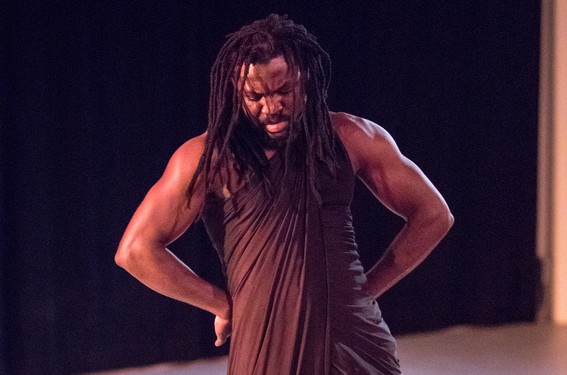
Choreographer/dancer: Byb Chanel Bibene
Social Media Accounts


[Re]member
Re]member is a film project that looks back to the histories of the African resistance against slavery. With a particular focus on the history of maroons leader Nganga Nzumbi, this project investigates the history of the rebellions and the victories of captured Africans in the slave ships during the Trans-Atlantic slave trade, in the Americas, and on Caribbean plantations.
300 Million Moving Targets
The solo performance, 300 Million Moving Targets pays homage to the thousands of migrants who lost lives trying to cross the Mediterranean Sea in makeshift boats from the coasts of Africa to the coasts of Europe.
Artist Biographies
Byb Chanel Bibene
Byb Chanel Bibene is a dance educator, choreographer and performer working in theater, ethnic, Afro urban, and contemporary dance forms. His own technical and aesthetic sensibility is rooted in the culture and dances of his country of origin, the Republic of Congo. He has toured the world and performed internationally with companies and choreographers originating from Africa, Europe, and the USA.
Artistic Director of Kiandanda Dance Theater, Bibene founded Mbongui Square festival, a multidisciplinary arts festival that gathers dance, music, spoken word and visual artists from the Bay Area and across the world.
Onye Ozi Fellowship of the Afro Urban Society
Onye Ozi’ (‘Messenger’) brings Bay Area artists of diverse African ancestry across disciplines to create work that uses their personal experiences and artistic practice as a virile catalyst for social change. Fellows reflect on the embodiment of the term paired with the phrase ‘ọnụ ụzọ’ (portal), how they/their work creates a pathway of discourse among new Black immigrants* and existing African American* communities.
‘Onye Ozi’ aims to acknowledge and name the layers of complexity (“from conflict or personal animosity to understanding common history and political context”) of African/Black Identity. Positing that although political and environmental factors commandeer the issues, there is no one more instrumental than the artist, to instigate a pathway for a new vision. One that has to begin with personal reconstruction and face-to-face dialogue.
